Home › Common Problems › Sagging Roof Deck
Sagging Roof Deck
in Nashville, TN
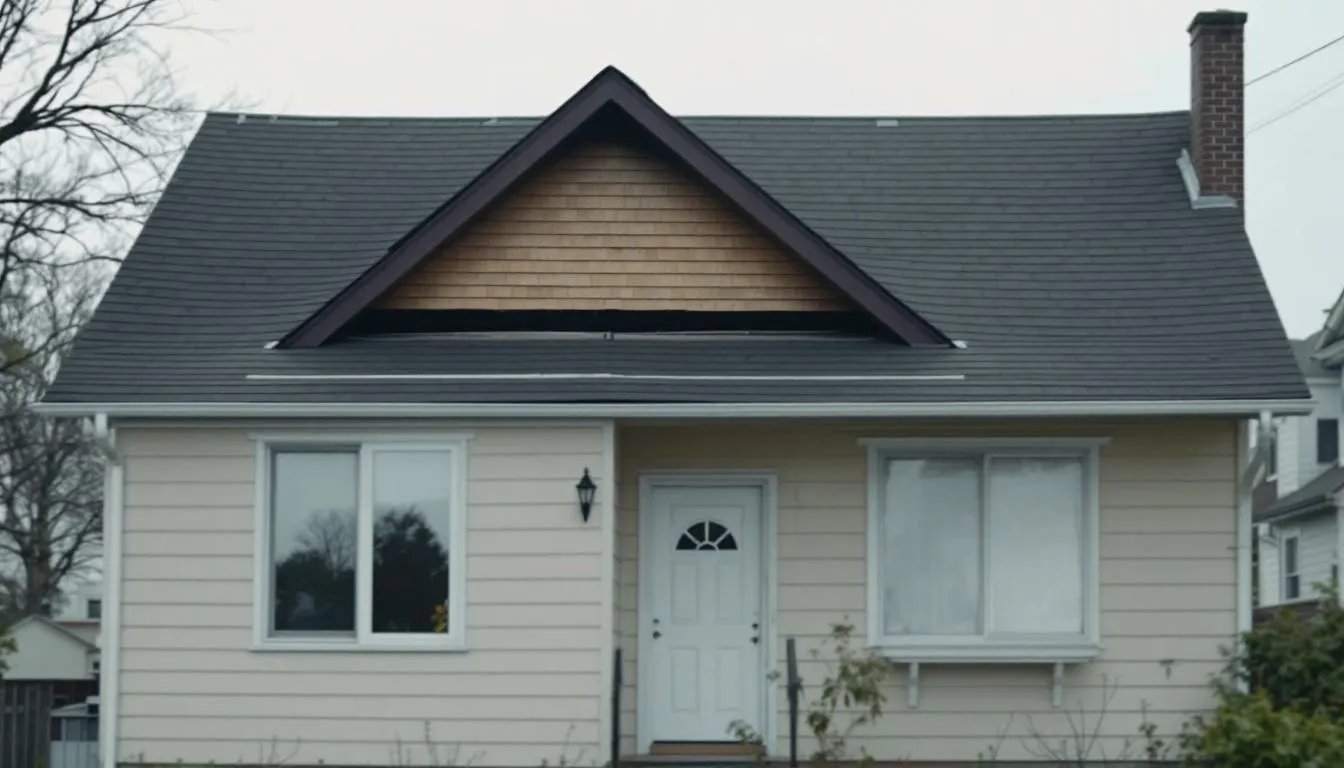
A sagging roof deck means the framing, the sheathing, or both have started to give way. Nashville gets heavy ice events roughly every five to seven years. The wet spring seasons add to that stress and rot the wood faster than in drier climates. Sheathing is the panel layer nailed across the rafters under your shingles. Once it rots, the deck can collapse under the weight of a single heavy rain or ice storm.
Nashville Roof Repair Pros helps Nashville, TN homeowners fix sagging roof deck — call for a free inspection.
Quick Answer
A sagging roof means the wood underneath your shingles is rotting or breaking down, often from Nashville's wet springs and occasional ice storms. A roofer removes the shingles, cuts out the bad wood, and puts in new panels before reshingaling. This is serious and moves fast. Call right away if you can see a dip or curve in your roofline from the street.
Telltale Signs
Warning Signs to Watch For
- A visibly curved or dipping line along a roof slope when viewed from the street or yard
- Wavy or uneven shingle surface that looks rippled rather than flat when viewed at a low angle
- Interior attic rafters or sheathing that feel spongy, soft, or crumble when pressed
- Cracks in interior drywall or plaster running parallel to the roofline on upper floors
- Doors or windows on upper floors that have suddenly become difficult to open or close
- Visible daylight through gaps between rafters or between sheathing panels in the attic
Root Causes
What Causes Sagging Roof Deck?
Long-Term Moisture and Wood Rot
Nashville averages nearly four inches of rain per month in spring. A small leak left alone for even one or two seasons soaks the sheathing underneath. Sheathing is the wood panel layer nailed to your rafters. Once it gets wet enough, it starts to rot and sag between rafters. That is what makes your roof look wavy from the street.
The Fix
Sheathing Replacement and Structural Repair
Rotten sheathing panels get pulled off and the rafters underneath get inspected. Damaged rafters get sistered, meaning a new board gets bolted right alongside the bad one. Then new code-compliant sheathing goes on before any new roofing materials are installed.
Snow and Ice Load Overload
Nashville does not get long snowfalls like northern cities do. But the region does get serious ice storms. Ice weighs roughly 57 pounds per cubic foot. A single storm can add hundreds of pounds to a roof. Many post-war bungalows in East Nashville and Germantown were built before Nashville updated its structural load requirements in the early 2000s. Those older rafters and sheathing were never designed to carry that much weight. They can bend permanently under the load.
The Fix
Rafter Sistering and Load Reinforcement
New boards or engineered lumber get bolted alongside the weak framing. This is called sistering. It spreads the load across more wood and brings the roof back to its original strength.
Improper Ventilation Causing Moisture Buildup
Many Nashville homes built before 1990 have attics that do not get enough airflow. Warm, humid air gets trapped inside and condenses on the cooler wood above, night after night in spring and fall. The sheathing absorbs that moisture from below, not from a leak above. It rots the same way, but from the inside out. Most homeowners do not notice until the roof is already visibly sagging.
The Fix
Ventilation Upgrade and Sheathing Replacement
Ridge and soffit vents get installed or enlarged to pull fresh air through the attic year-round. All wet or rotten sheathing gets replaced at the same time. That stops the condensation cycle that caused the problem in the first place.
Self-Diagnosis
Which Cause Applies to You?
Check the signs you're observing to narrow down the likely root cause before your inspection.
| What You're Seeing | Long-Term Moisture and Wood Rot | Snow and Ice Load Overload | Improper Ventilation Causing Moisture Buildup |
|---|---|---|---|
| Sagging area corresponds directly to a known or suspected old roof leak location | |||
| Sagging appeared or worsened noticeably after a significant ice or snow storm | |||
| Attic sheathing is damp or shows dark mold staining on its underside with no obvious leak above | |||
| Sheathing panels are delaminating with layers separating and peeling apart | |||
| Rafter members are visibly cracked, split, or bowed downward under load | |||
| Problem is concentrated at center spans of long rafter runs on an older home |
Free Quote
Get a free quote in Nashville
No obligation — tell us what's going on and we'll text you back shortly.
Other Problems
Services That Fix This
Sagging Roof Deck Near You
Also Helpful