Home › Common Problems › Roof Flashing Leaks
Roof Flashing Leaks
in Nashville, TN
Flashing is the thin metal that seals the gaps around chimneys, valleys, and walls. Nashville gets about 47 inches of rain a year. January lows hit near 28°F and July highs push past 90°F. That heating and cooling cracks the seals and pulls fasteners loose over time. Nashville has a large number of brick ranch homes and Cape Cods built from the 1950s through the 1980s. Those masonry chimneys are especially hard on flashing. A failed chimney flashing can let in a lot of water before you ever see a stain inside.
Nashville Roof Repair Pros helps Nashville, TN homeowners fix roof flashing leaks — call for a free inspection.
Quick Answer
Nashville gets about 47 inches of rain a year, and the hot summers followed by cold winters crack the seals around chimneys and walls. A roofer pulls the old flashing, reseals the gap with fresh metal and waterproof tape, and refastens everything tight. Brick chimneys on older ranch homes need this checked often. Call if you see water stains on a ceiling near a chimney or wall.
Telltale Signs
Warning Signs to Watch For
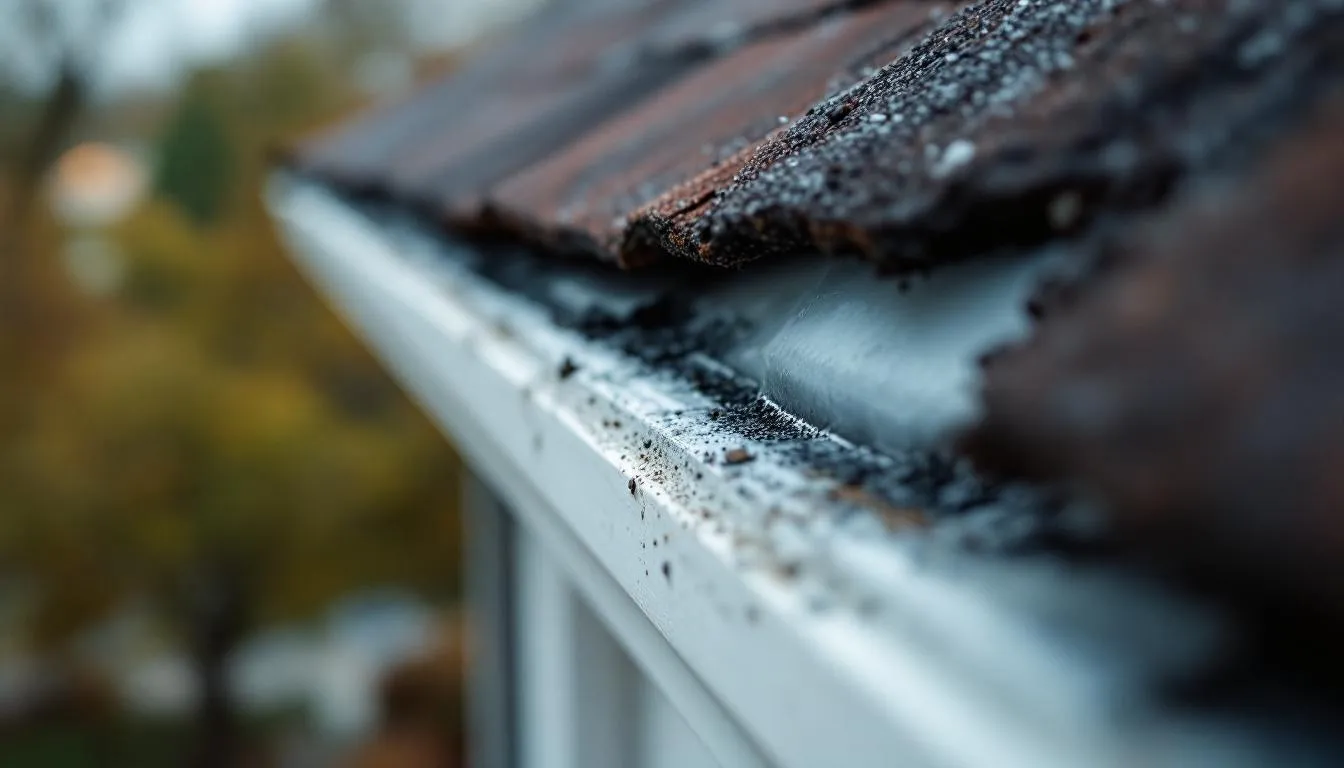
- Water stains or drip marks on ceilings directly below a chimney, skylight, or roof valley
- Rust streaks visible on exterior brick or siding below a roof-to-wall transition
- Lifted, buckled, or missing metal strips along chimney sides or dormer bases
- Cracked or missing caulk at any point where the roof surface meets a vertical structure
- Peeling paint or damp drywall on interior walls adjacent to exterior chimneys
- Daylight visible through gaps between flashing and masonry when viewed from the attic
Root Causes
What Causes Roof Flashing Leaks?
Thermal Expansion and Contraction
Nashville temperatures swing 60°F or more between winter nights and summer afternoons. That forces metal flashing through thousands of expansion and contraction cycles over the years. The movement cracks the caulk and works fasteners loose. Then hard rain drives water straight into the wall or attic through the gap.
The Fix
Flashing Resealing and Refastening
Old caulk and roofing cement get scraped off, and the flashing gets refastened where it has worked loose. Then fresh polyurethane or rubberized sealant rated for Nashville's temperature range goes on every joint.
Corroded or Incorrectly Installed Flashing
Many Nashville homes reroofed before the mid-2000s got thin galvanized step flashing pressed directly into mortar joints on brick chimneys. That traps moisture and eats through the metal far faster than a properly installed two-piece system would. Once the zinc coating fails, rust pokes pinholes in the metal. Those tiny leaks can drip for years before enough water builds up to stain a ceiling.
The Fix
Full Flashing Replacement
The old flashing gets completely removed and any disturbed mortar joints get tuck-pointed. New copper or heavy-gauge aluminum step and counter flashing goes in using the correct two-piece system. That system lets the metal move with temperature changes while still keeping water out.
Storm Debris and Physical Damage
Nashville's big hardwood trees in neighborhoods like Green Hills, Forest Hills, and Belle Meade drop heavy limbs during ice storms and thunderstorms. Those branches can bend or punch through the metal flashing where the roof meets a wall or chimney. That breaks the water seal right at the joint. Every rain after that gets in through the same spot.
The Fix
Impact Damage Flashing Repair
Bent or knocked-out flashing sections get reshaped or replaced, and the wood underneath gets checked for rot. The repaired flashing is then tucked back into the shingle field with the right overlaps so water runs off the way it should.
Self-Diagnosis
Which Cause Applies to You?
Check the signs you're observing to narrow down the likely root cause before your inspection.
| What You're Seeing | Thermal Expansion and Contraction | Corroded or Incorrectly Installed Flashing | Storm Debris and Physical Damage |
|---|---|---|---|
| Leak appears only during wind-driven rain from a specific direction | |||
| Rust-colored staining visible on flashing surface or on masonry below it | |||
| Flashing visibly bent, creased, or pulled away from the roof surface | |||
| Caulk along flashing edge is cracked, missing, or has shrunk away from the joint | |||
| Pinhole or hairline perforations visible in the metal when inspected up close | |||
| Leak began or worsened immediately after a storm with reported tree contact |
Free Quote
Get a free quote in Nashville
No obligation — tell us what's going on and we'll text you back shortly.
Other Problems
Services That Fix This
Roof Flashing Leaks Near You
Also Helpful