Home › Common Problems › Clogged or Damaged Gutters
Clogged or Damaged Gutters
in Nashville, TN
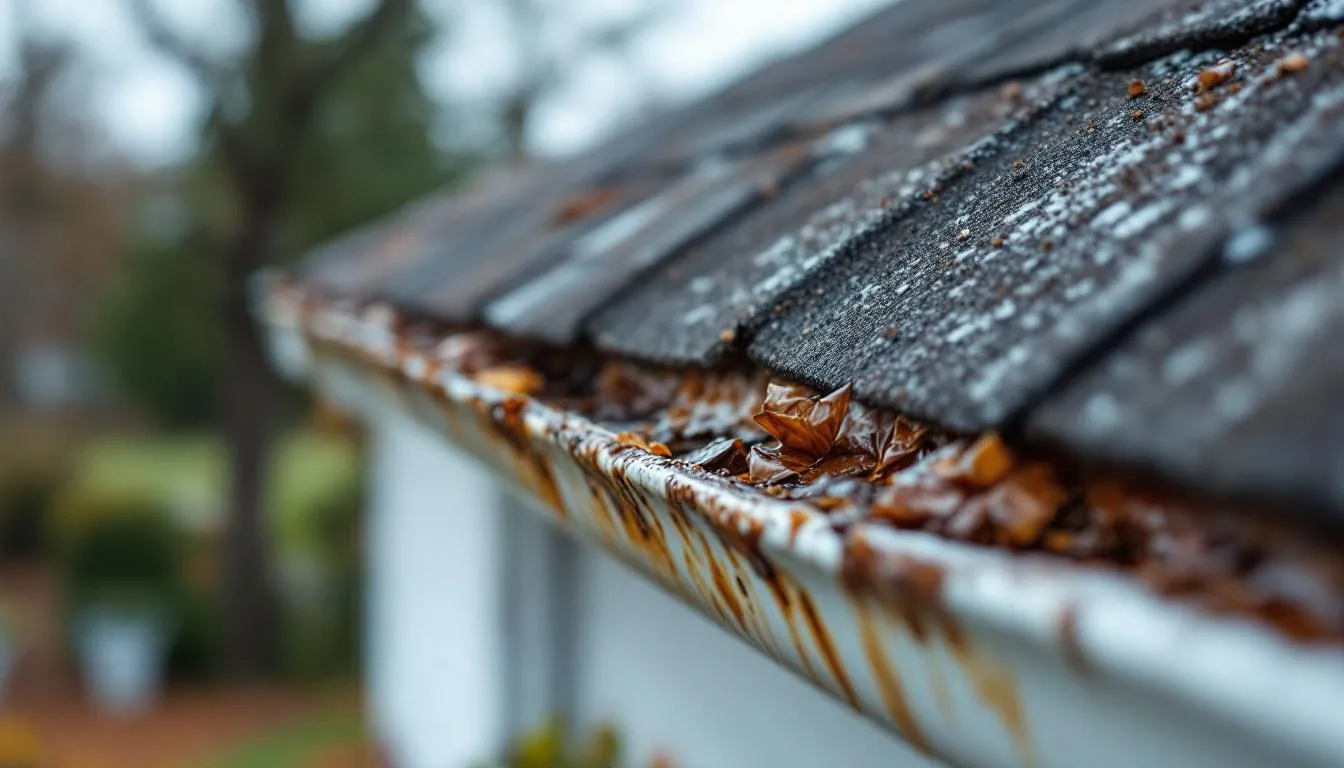
Nashville's white oaks, tulip poplars, and maples drop heavy loads of leaves every fall. That fills gutters fast if you do not stay on top of them. Water backs up under the bottom shingle course and soaks the fascia boards. It can work into the soffit and attic while also spilling over at the foundation. Nashville's clay-heavy Davidson County soils drain poorly and hold water near the surface. Uncontrolled roof runoff makes that basement moisture problem much worse.
Nashville Roof Repair Pros helps Nashville, TN homeowners fix clogged or damaged gutters — call for a free inspection.
Quick Answer
Nashville's oaks, tulip poplars, and maples dump huge amounts of leaves into gutters every fall. That causes water to back up under your shingles and soak the boards along your roofline. A crew cleans out the gutters and replaces any sections that are bent or pulling away. Call for an inspection if water is pouring over the side of your gutters during rain.
Telltale Signs
Warning Signs to Watch For
- Water spilling over gutter edges during rain rather than flowing to downspouts
- Visible sagging, pulling away from fascia, or detachment of gutter sections
- Rotted, stained, or paint-peeling fascia and soffit boards along the roofline
- Puddles or eroded channels in the soil directly below the roofline after rain
- Ice dams forming in gutters during winter freezes due to standing water and debris
- Dark water stains or mold streaking down exterior siding below gutter lines
Root Causes
What Causes Clogged or Damaged Gutters?
Leaf and Debris Accumulation
Nashville's peak leaf fall runs from October through December, right during the active fall storm season. A single mature oak over a roofline can pack a standard 5-inch K-style gutter completely full in one season. Wet leaves act like a dam. They hold standing water that rusts steel gutters and soaks wood fascia boards. Nashville's frequent autumn rains keep that debris wet and heavy rather than letting it dry out.
The Fix
Professional Gutter Cleaning and Flush
All the debris gets pulled out by hand and flushed clean, and any downspout clogs get cleared. Then the whole gutter run gets checked to make sure it slopes correctly toward the downspouts so water drains away from the foundation.
Physical Damage and Improper Slope
Nashville ice storms can coat gutters with thick ice that adds 50 or more pounds per linear foot. That weight pulls gutters away from their hanger brackets or bends the metal out of shape. Once a section sags, water pools in the low spot instead of draining. A gutter should pitch about one quarter inch per 10 feet toward the downspout. When it loses that slope, standing water sits against the fascia and rots the wood even if you keep the gutters clean.
The Fix
Gutter Rehang, Repair, or Replacement
Damaged hanger brackets get swapped out for wider hidden-hanger models rated for ice load. Bent gutter sections get reformed or replaced. Then the whole run gets re-sloped so water drains completely between rain events and does not sit against the fascia.
Undersized or Missing Downspouts
Many Nashville homes built in the 1960s and 1970s have 2-inch round downspouts. Those were fine for light rain but get overwhelmed fast when Nashville thunderstorms drop two or more inches in under an hour. When the downspout backs up, water is forced under the gutter lip and against the fascia. The overflow at the bottom dumps water right at the foundation wall. Nashville's slow-draining clay soils make that flooding worse.
The Fix
Downspout Upsizing and Extension
The old undersized downspouts get replaced with 3-by-4-inch rectangular or 3-inch round models that handle much more water. Extensions or underground pipes get added to carry runoff at least six feet away from the foundation before it discharges.
Self-Diagnosis
Which Cause Applies to You?
Check the signs you're observing to narrow down the likely root cause before your inspection.
| What You're Seeing | Leaf and Debris Accumulation | Physical Damage and Improper Slope | Undersized or Missing Downspouts |
|---|---|---|---|
| Gutters visibly full of leaves and debris when inspected from a ladder | |||
| Gutter sections are pulling away from the fascia or visibly sloping the wrong direction | |||
| Gutters overflow only during heavy downpours even when free of debris | |||
| Ice formed inside gutter during last winter freeze and section is now bent | |||
| Standing water remains in gutter 24 hours after a rain event | |||
| Foundation soil is eroded in a narrow strip directly below roofline with no gutter discharge nearby |
Free Quote
Get a free quote in Nashville
No obligation — tell us what's going on and we'll text you back shortly.
Other Problems
Services That Fix This
Clogged or Damaged Gutters Near You
Also Helpful